I have been trying to find the perfect words to describe what Rome is like.
I seem to have so many, yet not enough to paint the picture of this beautiful, chaotic, and, above all else, a nostalgia-evoking city I have longed to visit.
A week there wasn’t enough. Perhaps a few would. A lifetime could do as well. There is an unbelievable number of places to explore, dishes to try, and people to meet. And it doesn’t feel overwhelming for even a second (except for the traffic).
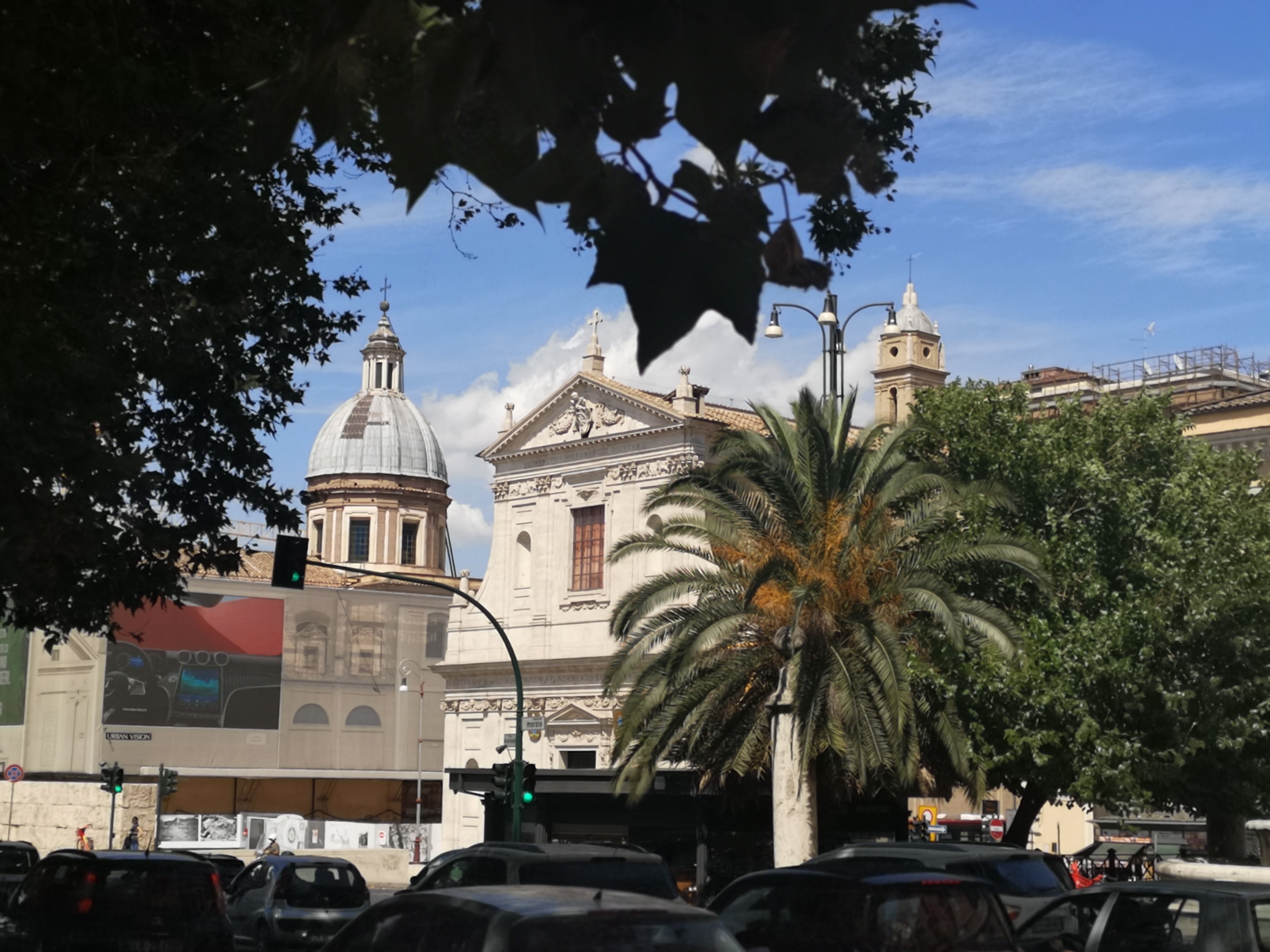
Upon arriving, I realised this isn’t the type of city that agrees with (linear) planning.
I was to pick up the key to the apartment where I was staying with my boyfriend. Due to the how old-school the owners are, they had decided to leave it in a restaurant. Not your typical Italian trattoria; it was a Chinese restaurant in the middle of a busy neighbourhood.
The helpful staff presented me with an envelope containing the key and a letter. Still no address; this letter had the number of the owner and kind words wishing us a lovely stay in Rome.
Tensions were running high, and the noon heat wasn’t helping. I called the number from the letter and tried to figure out where this street was. “The third one on the right after you pass the street where the restaurant is.” It sounded simple enough.
We missed the correct street a few times, dragging our suitcases behind us. Finally, we reached the right Via and started for the entrance. The elevator that took us to the fifth floor was like something out of a Woody Allen movie. It was mechanical, with tiny wooden doors and frames covered in worn-out brass.
It is where I’ve decided to immerse myself into the all-encompassing sentimentality making up the city of Rome.
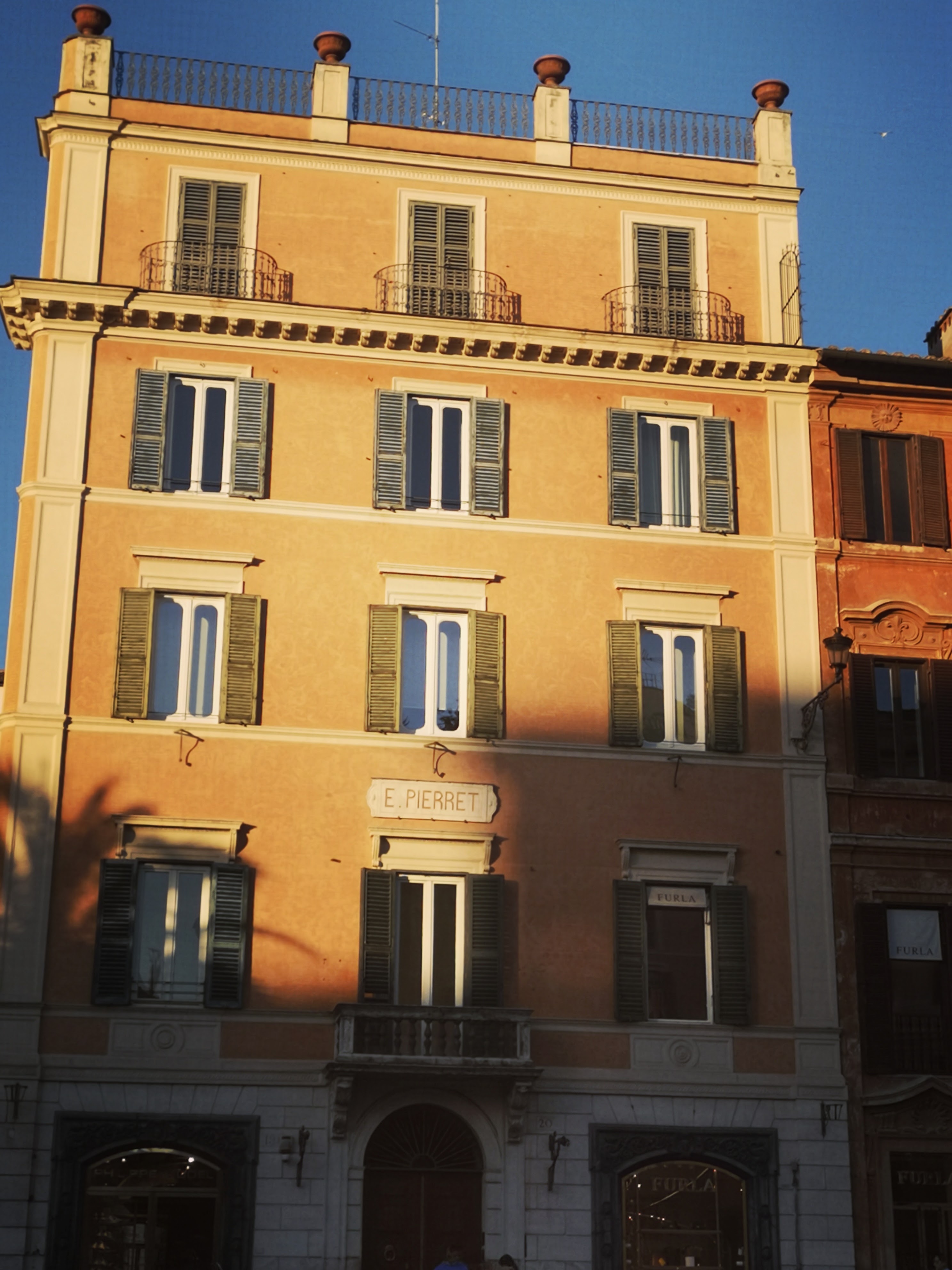
Although the trip had worn us out (especially with all the covid regulations we needed to be mindful of), we couldn’t wait to start exploring.
And explore we did.
Every day, our first stop was at Faro. Describing it as a café would do no justice – I’ve never had coffee quite like that, with such attention to detail. Their breakfast selection is nothing short of amazing, and oh-my-god, the pastry.
I’ve had my first-ever maritozzo here, both traditional (with whipped cream) and its slightly more decadent version, with the yellow Pasticceria cream. There are good cakes and special savoury items as well.
Why and how they do what they do, you should best experience on your own. I’ve been dreaming of Faro cappuccinos – I don’t think I’d ever get enough of them. I love how they accentuate the importance of coffee as part of culture: il caffè e una pianta, il caffè e cibo, il cibo e cultura (coffee is a plant, coffee is food, food is culture).
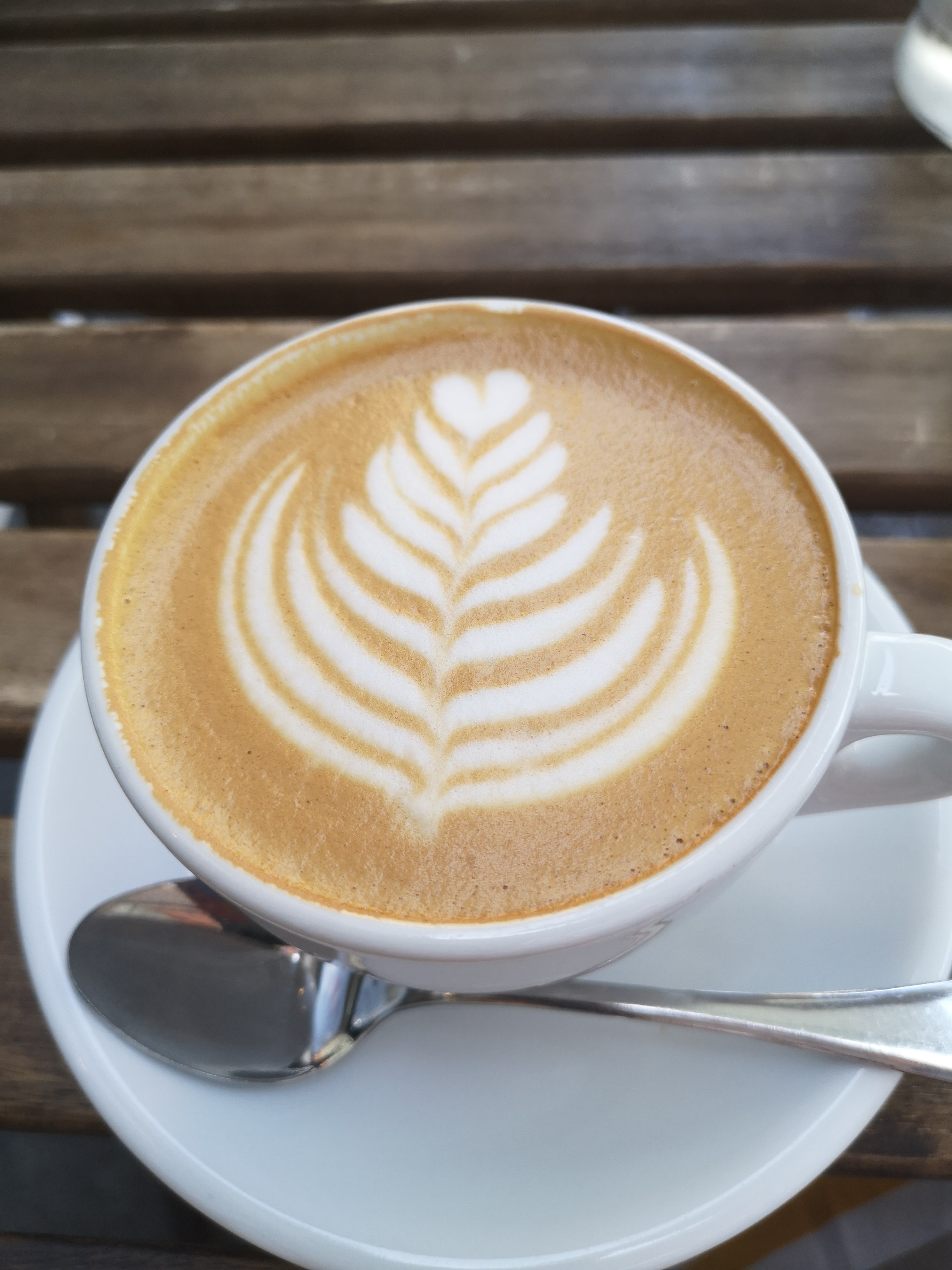
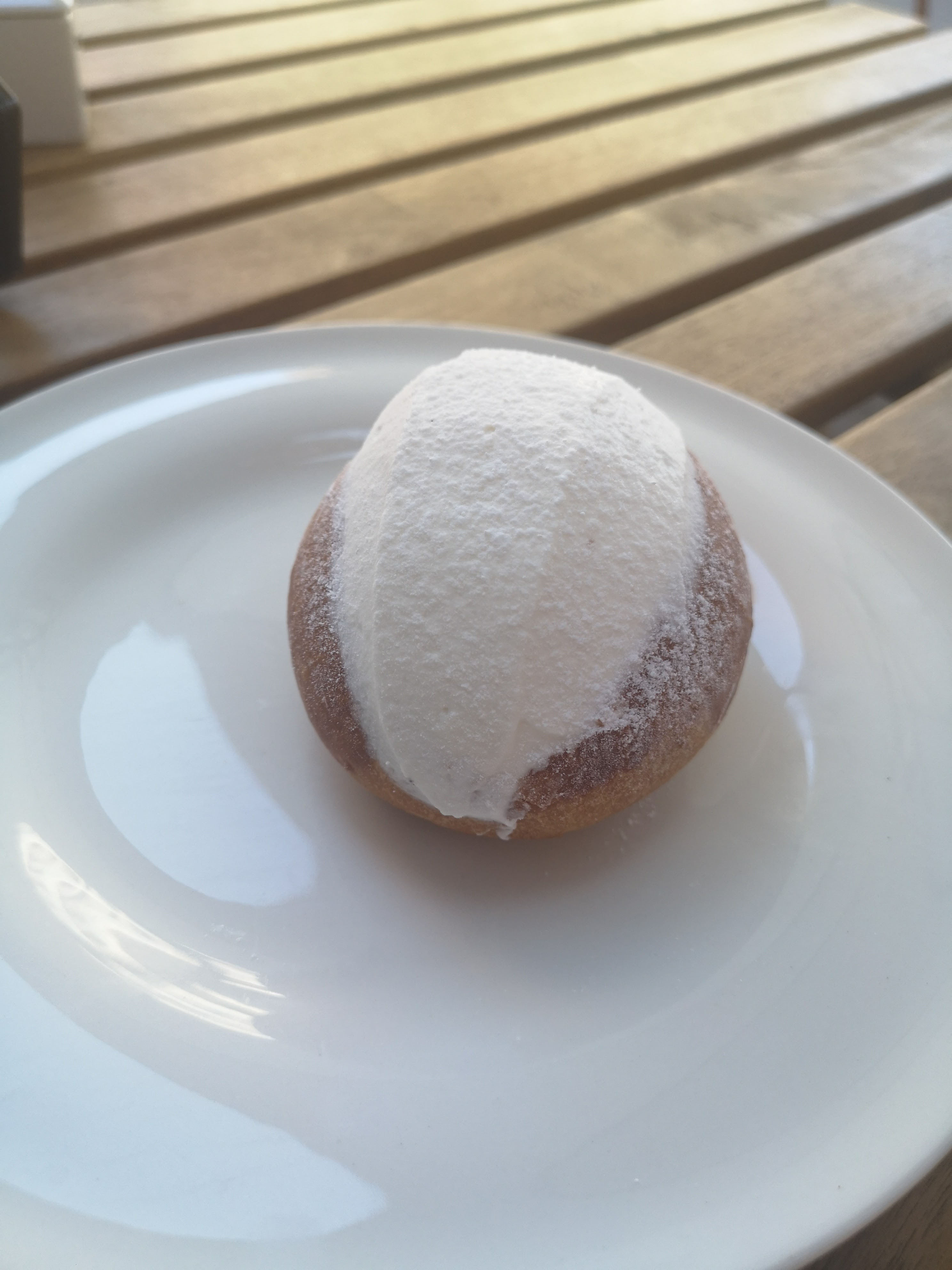
We’d see the response to this philosophy in the number of customers lining up to get their caffeine shot there instead of any other bar in Rome. Grazie Faro e spero di vedervi presto!
After figuring out what we wanted to see for the day – which I highly recommend, as Rome has an enormous amount of sights, we’d begin walking towards our destination. There’s public transport, too, but it was too hot to bother.
Top 5 Sights in Rome
Villa Borghese
The closeness of Villa Borghese was something we treasured during the hot summer days. Our Roman holiday was at the beginning of July; after living in the Netherlands for a few years, we quickly learned we aren’t used to the heat (anymore). Being able to seek some refuge within the shades of the beautiful park helped to keep us focused.
It isn’t just a park that stretches out for miles; it houses the Museum and Gallery Borghese, a museum containing old artefacts combined with a contemporary exhibition. Book it in advance, as tickets are in high demand. It’s at the top of my list next time I visit Rome!
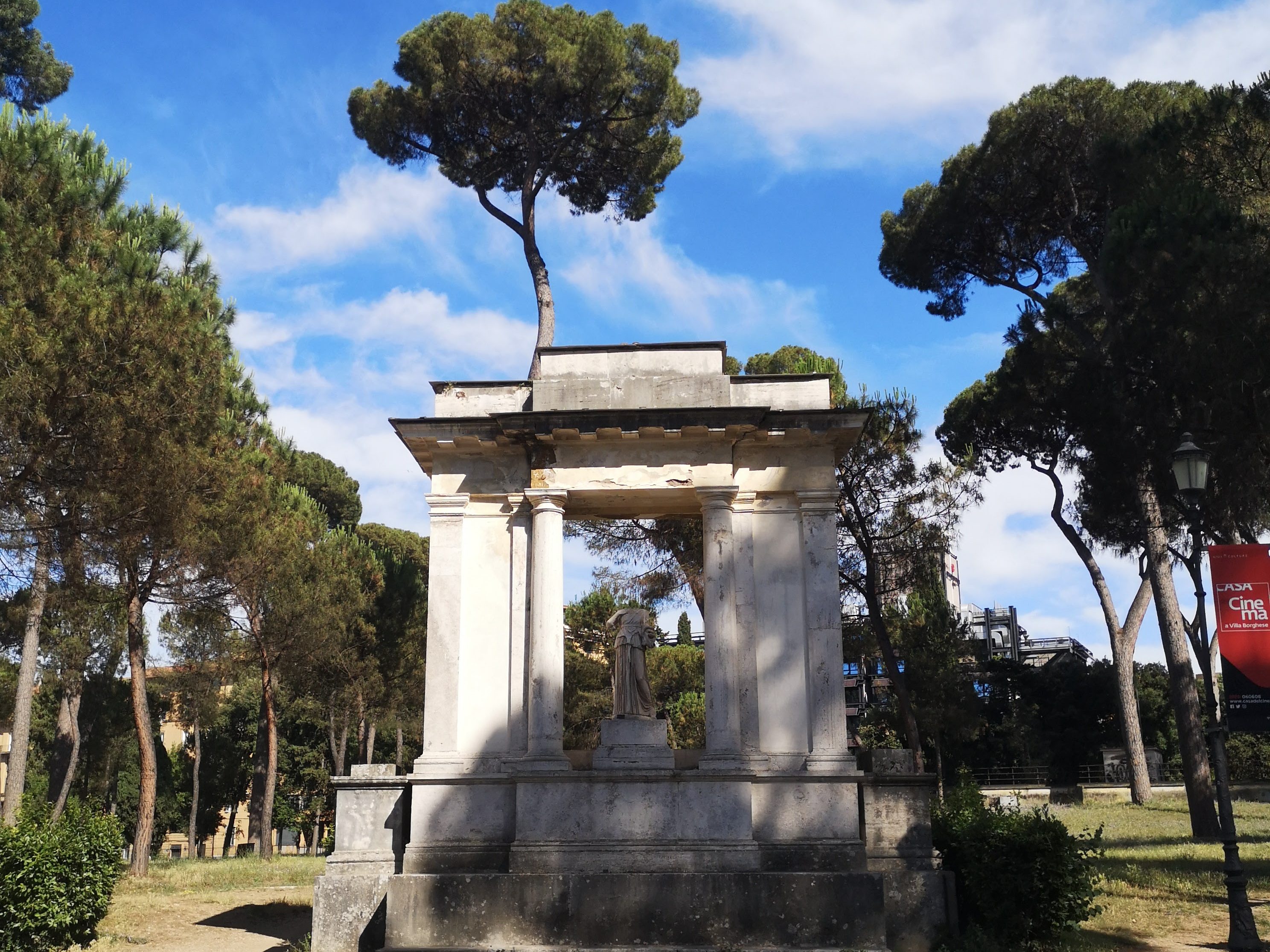
There are more historical buildings and curiosities in the Villa Borghese than its name might suggest. There are the Villa Giulia and Villa Medici and a small square, Piazza di Siena, where the elegant meets the equestrian.
Green stands selling ice creams with refreshing drinks dot the park. There’s a statue everywhere you look, and all the elements play well with one another.
The crown jewel is the Laghetto di Villa Borghese, a little lake in the middle of the park. In front of the temple are inexpensive boats you can rent to let you roam about. I was mesmerised by the fountain and the many details I saw carved into the marble of the Temple of Aesculapius.
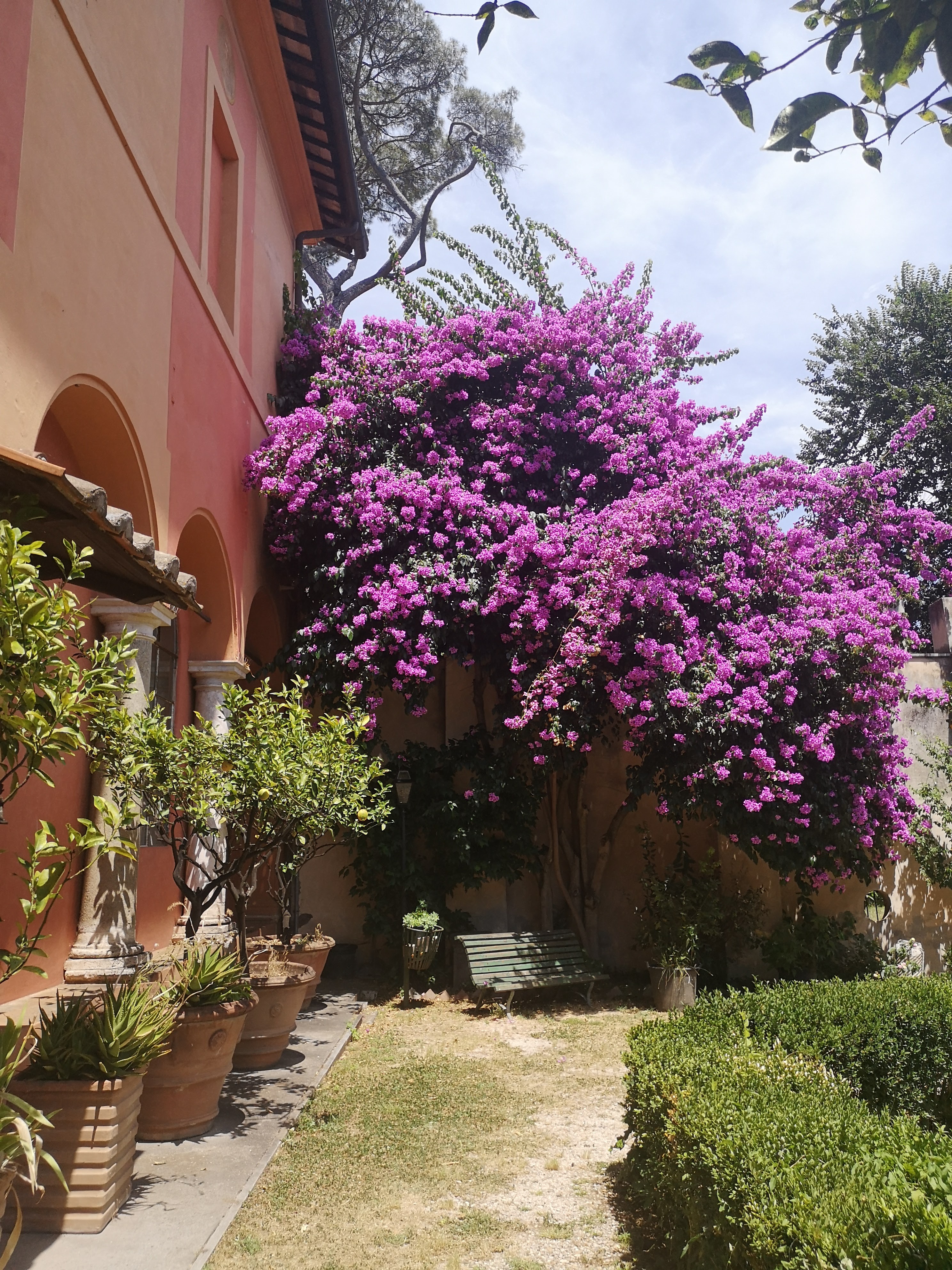
What struck me, in particular, is the nature Rome abounds in. It isn’t very kept, just like the city itself, and that must be a part of its charm. Even in the parks, there are lots of typical stone pine trees, waist-high grass, and violet flowers you expect to see in the countryside alone.
Colosseum & Roman Forum
We set an entire day apart to take in the Colosseum and the Forum Romanum. We bought tickets a few days in advance and booked a timeslot in the late afternoon when the high temperatures began to drop.
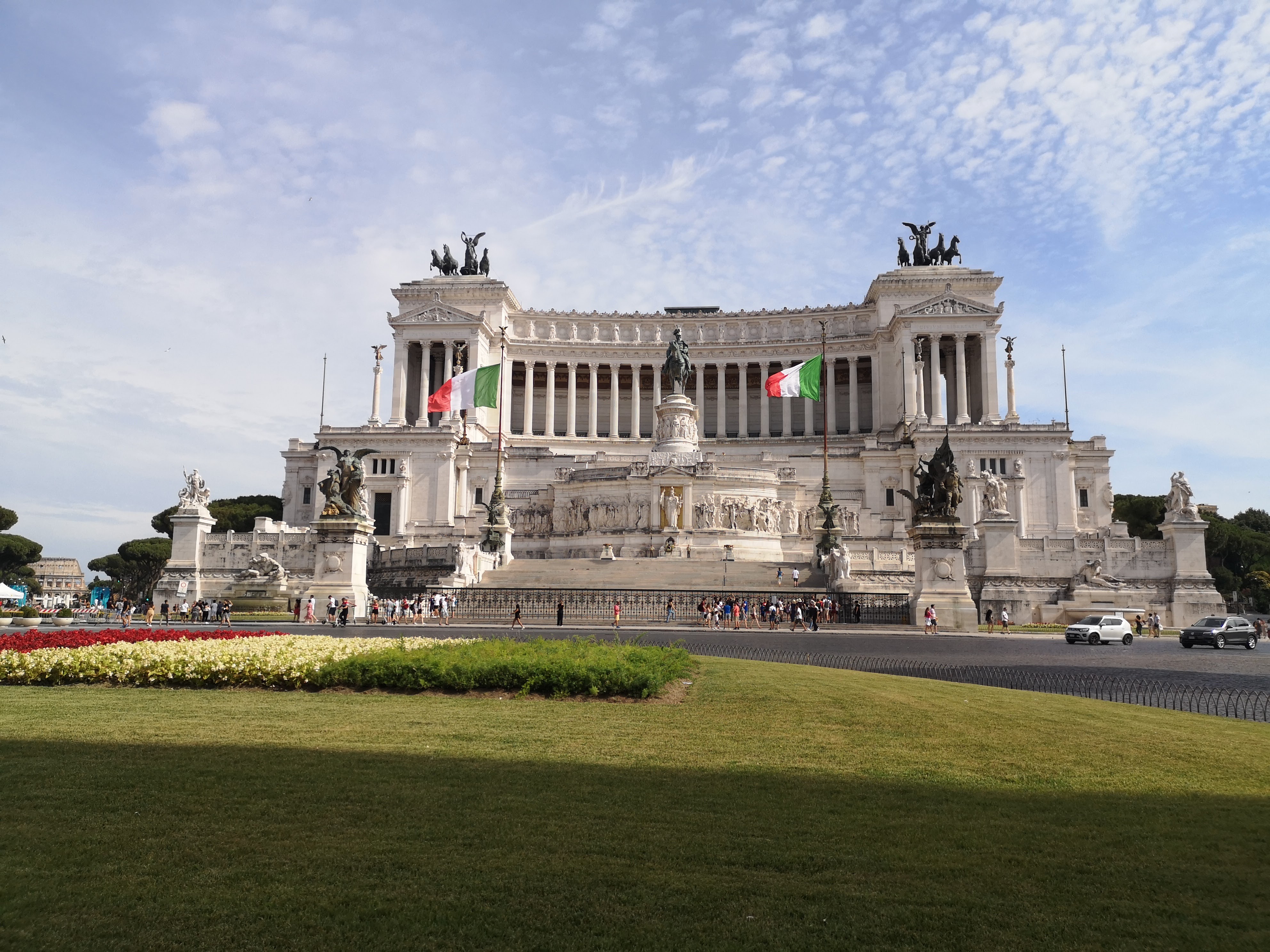
On our way to the Colosseum, we marvelled at the delusion of grandeur that is the Altar of the Fatherland, the iconic white marble temple dedicated to King Vittorio Emmanuele II. Having something historical to be in awe of on every street and square is something Rome excels at.
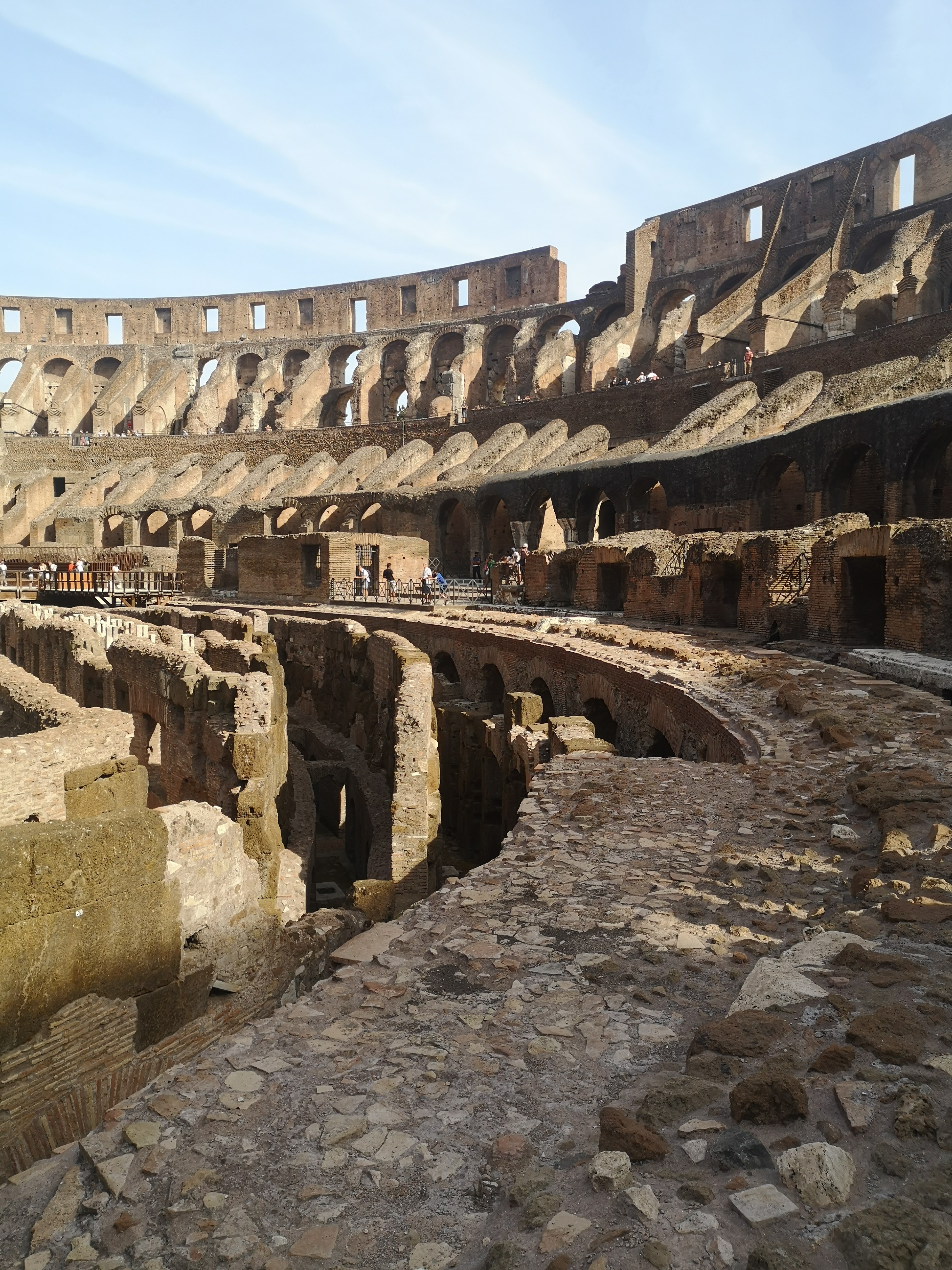
The Colosseum itself is indescribable. It’s vaster than the pictures we’ve seen all our lives allow us to imagine. Walking around there and soaking in the views of what was once the main source of entertainment for thousands of people is unforgettable.
You immediately see why this is one of the great wonders of the ancient world. It’s impressive, filled with stories, and in pretty great shape after all these years. Being there gives you a perspective of what the Romans once considered fun. It hasn’t changed too much during our time. The medium has, but the content has remained the same.
The ticket we had purchased had the combined entrance fee for the Colosseum and the Forum Romanum. The one thing I’d change for my next visit to these landmarks would be to hire a guide who can help make sense of the sights because there’s so much, and everything seems wonderfully essential.
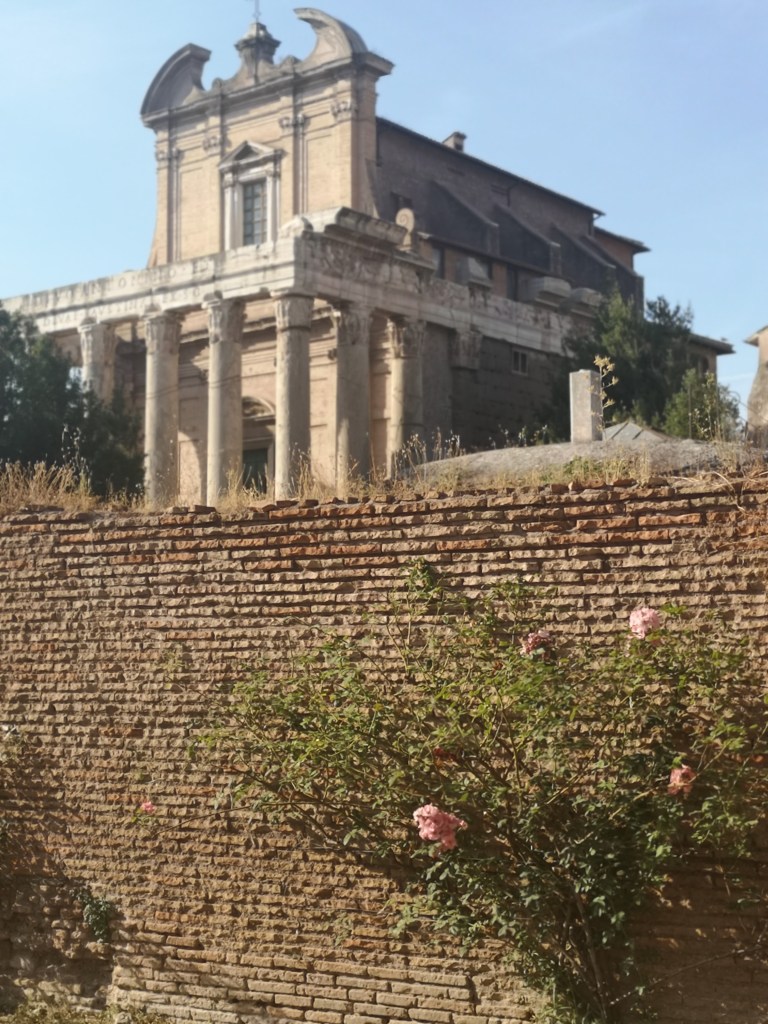
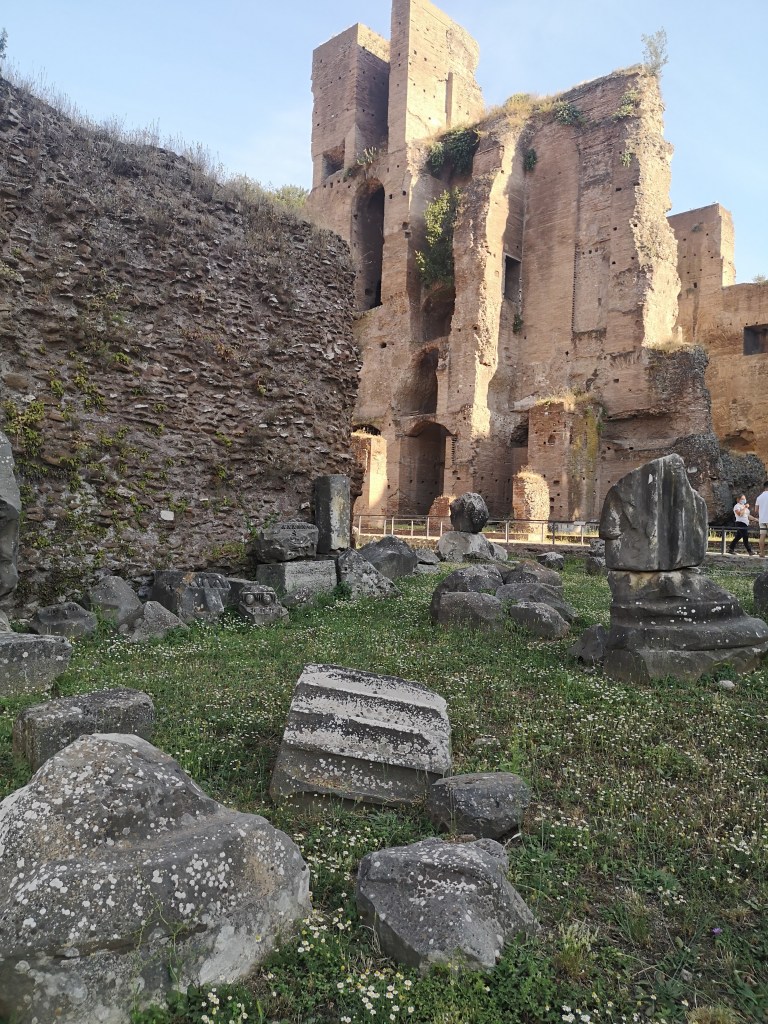
Forum Romanum is the most astonishing place I have seen in Rome. Temples upon temples of gods and goddesses left me in awe.
You get the greatness of ancient Rome when you come upon this site. You can almost feel the everyday hustle of merchants selling their goods and how it intertwined with the sacral atmosphere. It’s not surprising that this was once the biggest kingdom in the world, spanning over continents and decades of rulership.
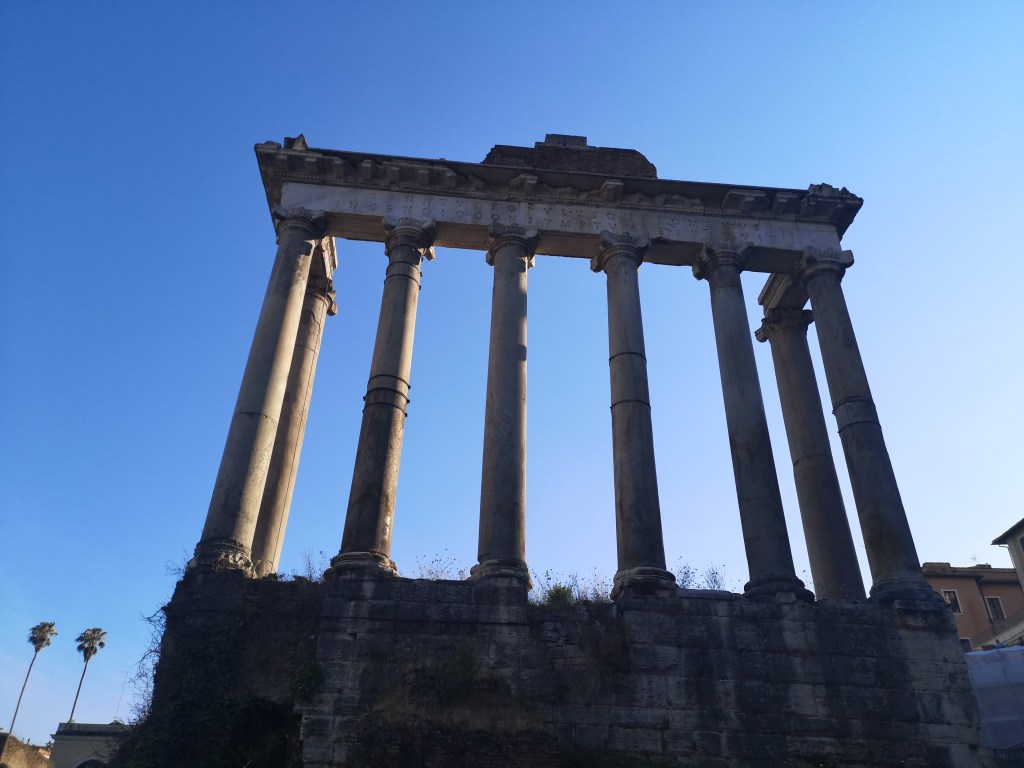
The temple of the goddess Vesta took my breath away. Not because it is grandiose and immense, like Saturn’s temple, but because of the energy it exudes. Priestesses gathered here and kept the eternal flame going, taught, created, and lived with one another in the temple of the goddess of hearth, home, and family.
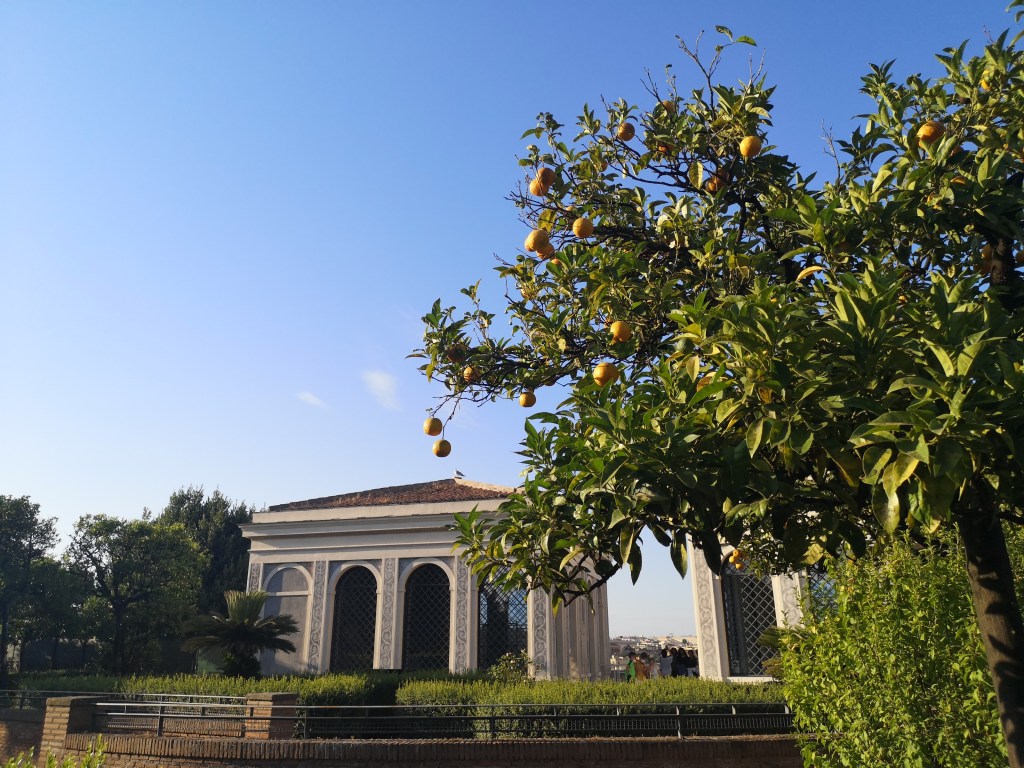
I wish we could’ve spent more time exploring the Farnese gardens on the top of the Palatine hill. The view from above that stretches out over the entire Forum is nothing short of magnificent. The botanical gardens were full of fragrant roses, oranges, and greenery, signs of life that continued on and on throughout the centuries.
Pantheon
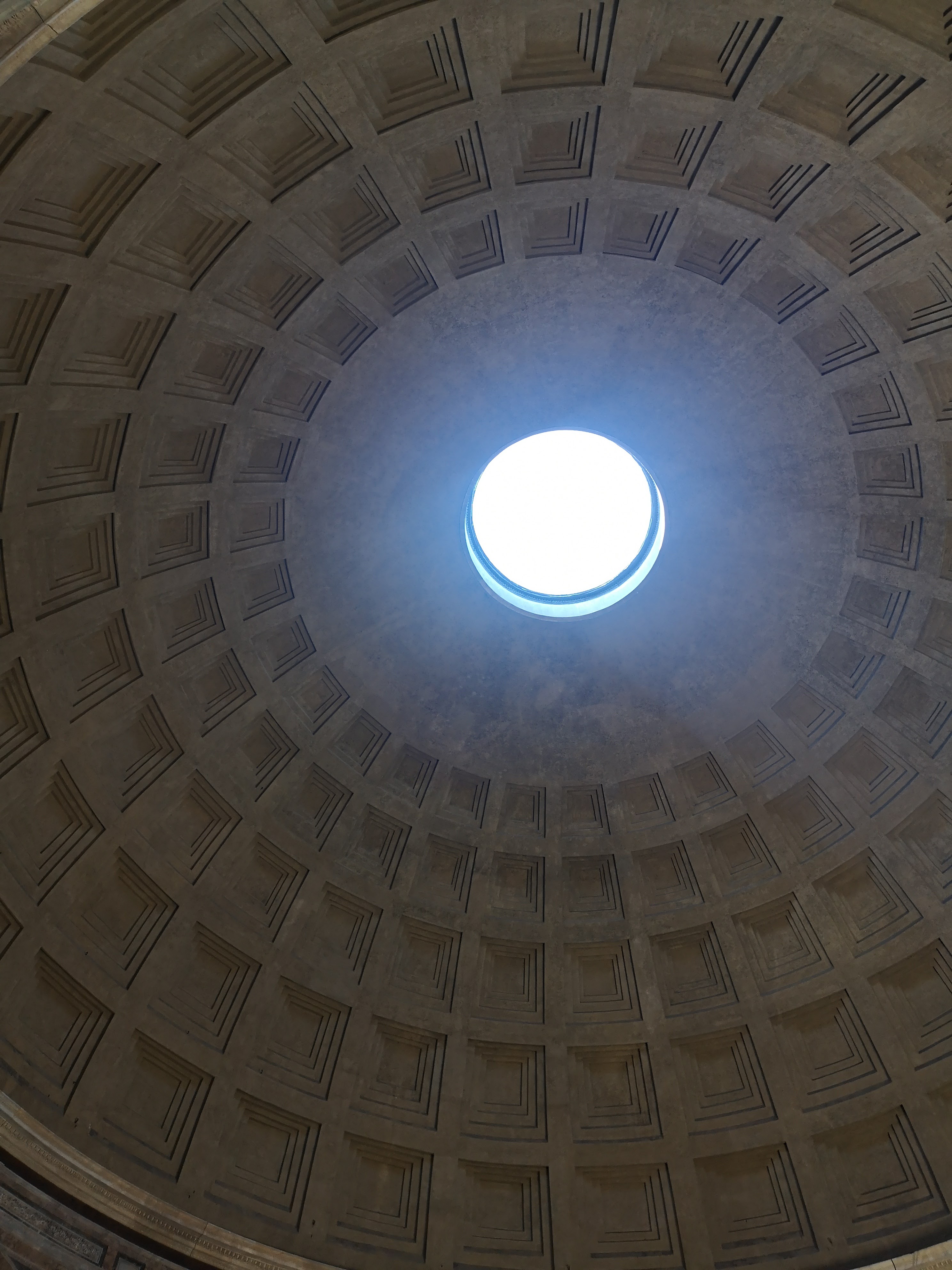
Any trip to Rome should include a visit to the Pantheon, in my opinion. The temple of all the gods is in the middle of the city centre and is free to visit.
The Pantheon puts the A in ancient – it’s impressive that something with that much history is still as eye-catching as ever. The temple’s interior gives you a perfect 360 view of the coffered dome, best experienced in the late morning/early afternoon when the sun pours in and sets everything aglow.
I found myself (again) at a loss for words upon entering the Pantheon. Looking up at the dome and seeing how there’s nothing but ingenuity holding the entire structure together is beyond inspiring.
There are Catholic altars and tombs of saints and kings in the temple. Not to say they’re unimportant; they take the back seat in this particular history lesson Rome teaches.
Fontana di Trevi
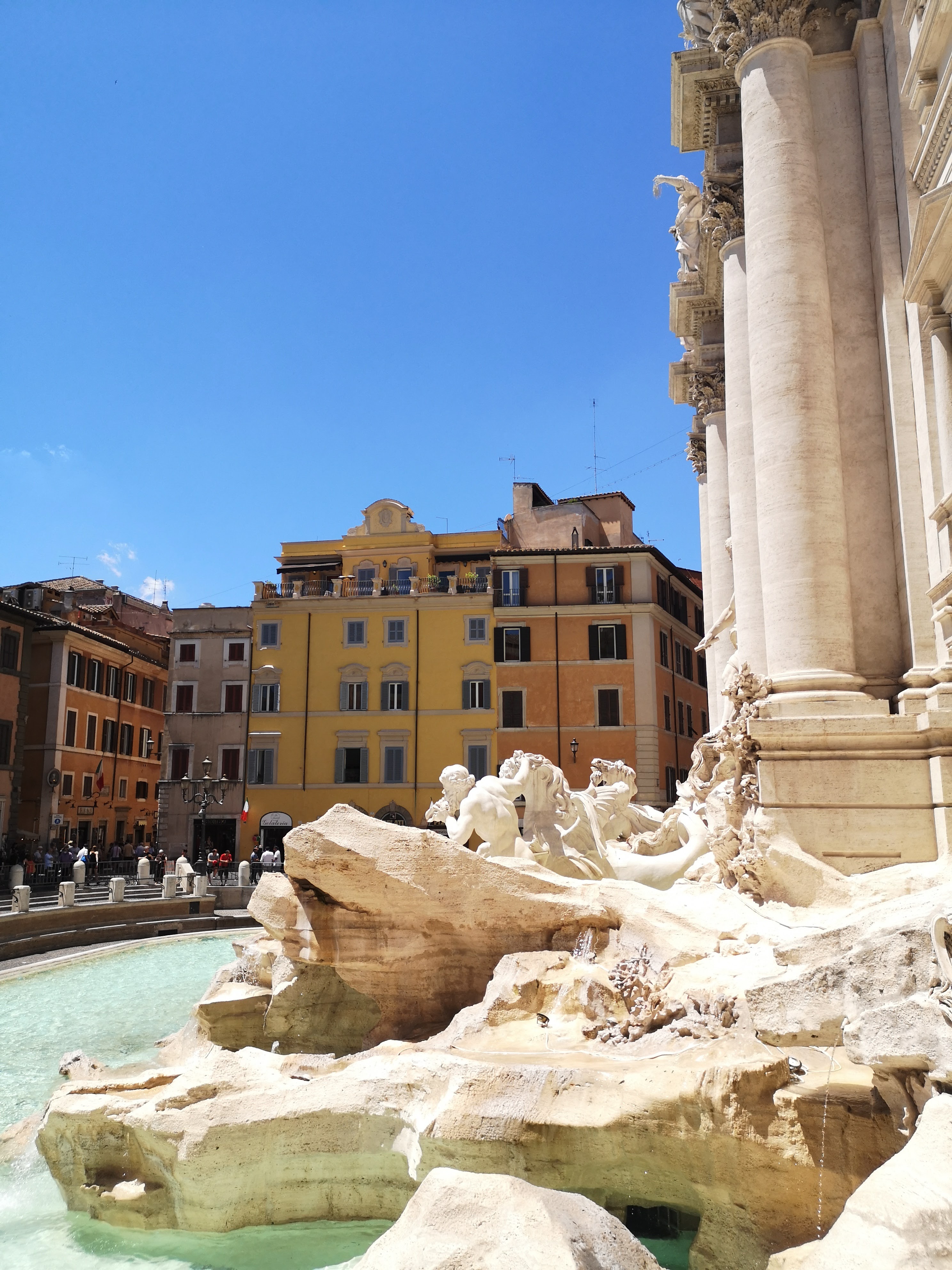
One of the most famous fountains in the entire world, the Trevi Fountain, is bound to be on your list of things to see in Rome. For a good reason, as it’s an architectural marvel + a way of ‘knowing’ you’ll be back in Rome again.
Everything about the fountain is beautiful: the statues, the light-blue water, the neighbouring facades, … It all makes up the aesthetic influenced by numerous architects, such as Bernini and Salvi. The central statue represents the Titan god Oceanus in a scene where he tames the waters between the sculptures of Abundance and Salubrity.
The water was once drinkable, but now they use it for storing coins (you throw them with the right hand from the left shoulder). The money goes to feeding Rome’s needy, so it’s no wonder it’s illegal to steal from the fountain. If you’re visiting Rome during a busy period, make sure to go in the early morning or later in the evening, as the crowds can occult your view.
The Vatican
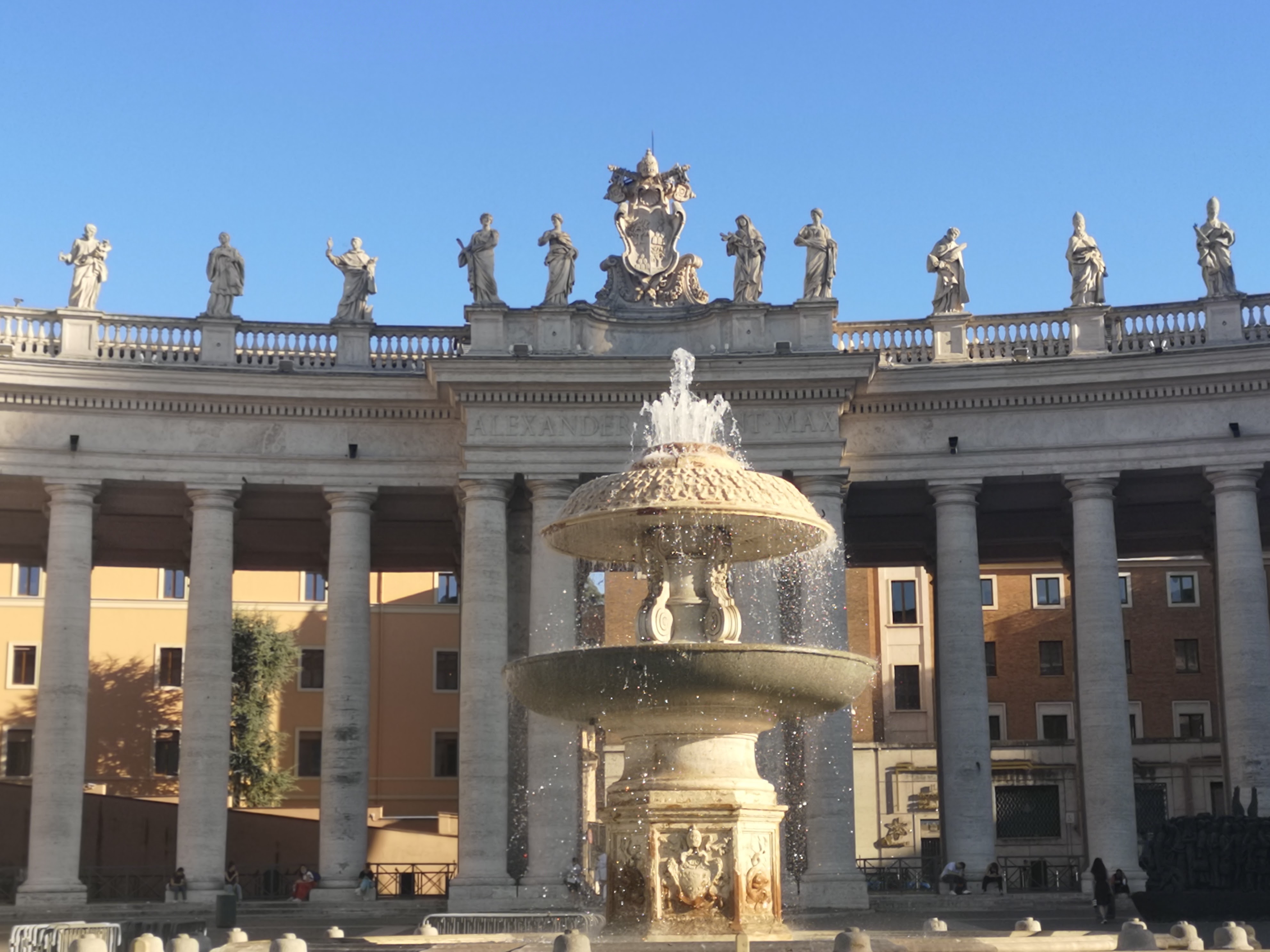
Seeing the city within the city, the state within a state is something we wanted to see for ourselves. Reaching the Vatican, we had to go through security to get to the humongous white square.
Unfortunately, because of the pandemic, we couldn’t go inside the Basilica of St Peter at the time we wanted. We admired it from a distance while being looked at by statues of other saints from the very tops of the half-dome.
In all honesty, the Vatican didn’t meet my expectations. I felt there’s much more to it than we see from the ground level, and I enjoyed the architecture. Yet that was about it. I spent more time looking at how the sun plays with the fountain on the side of the square than anything else.
Preparing a visit to the Vatican museums and the Basilica beforehand is a must. Lesson learned. Who knows, perhaps we catch a glimpse of the Pope the next time we visit, too.
Best Restaurants in Rome
Let’s get to the juicy part, quite literally. The food in Italy is the food of my dreams, and I’d eat it every single day if I had the choice. It’s simple, gorgeous, traditional, and fresh. What more could you ask for?
I haven’t managed to try all the restaurants on my list, nor all the dishes Rome is famous for. Have to save something for the next time!
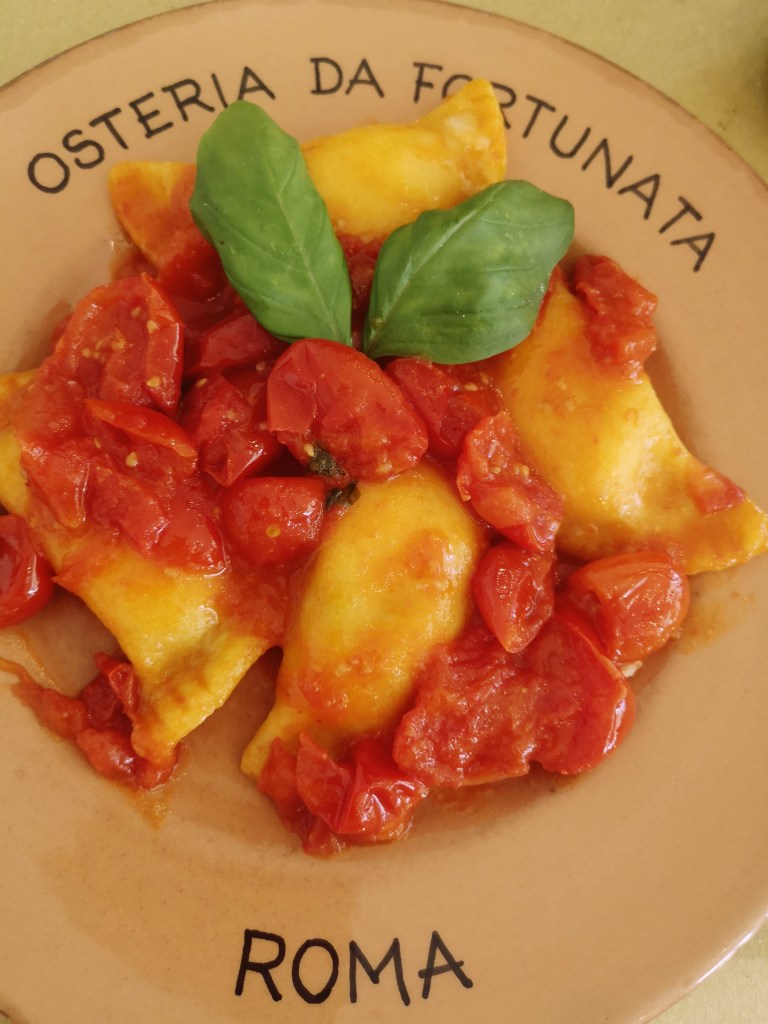
Osteria da Fortunata is the best restaurant we have gone to. It’s not because of how exclusive and high-end it is – quite the opposite. Next to the dining tables, by the window facing the street, there is a long table set up with two ladies making pasta. They take their time and indulge in chit-chat while making the same pasta you are eating.
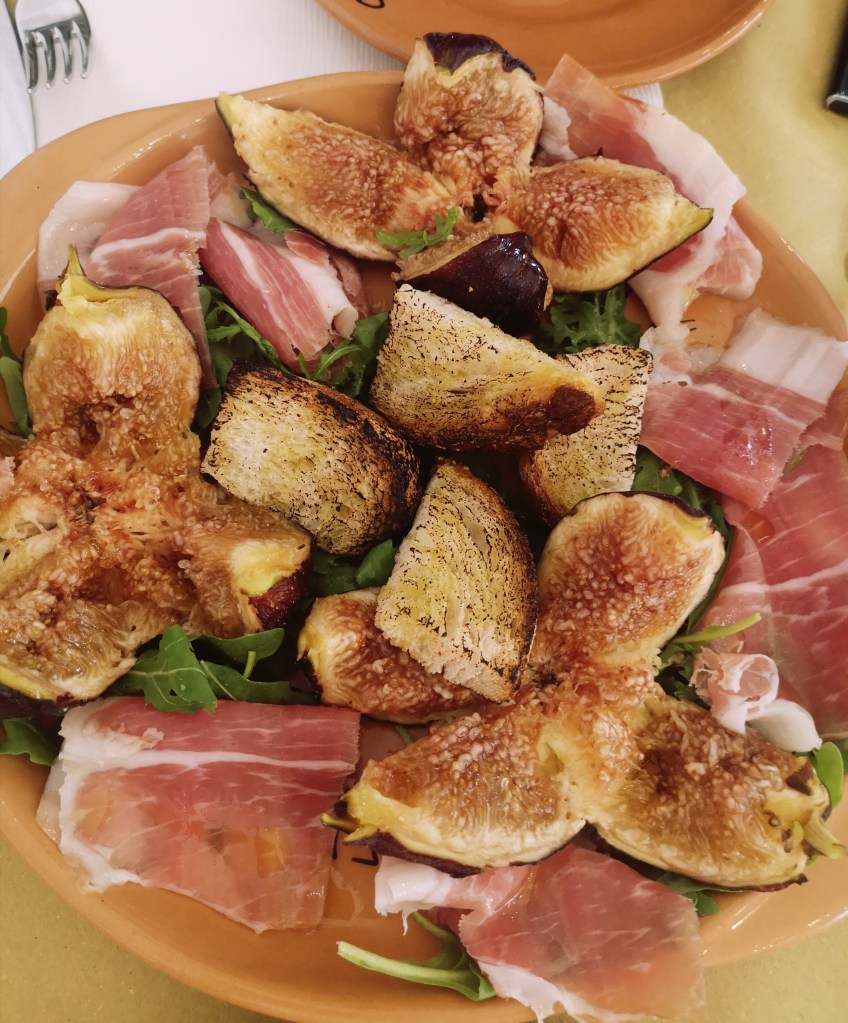
It is the place where we tried the best appetizer ever: thinly sliced prosciutto with fresh figs that tasted like honey paired with toasted sourdough. The pasta dishes we had were out of this world, and they perfectly accompanied the wine we were drinking. There are a couple of other Osterias in the city. However, I long to return to this one as soon as possible.
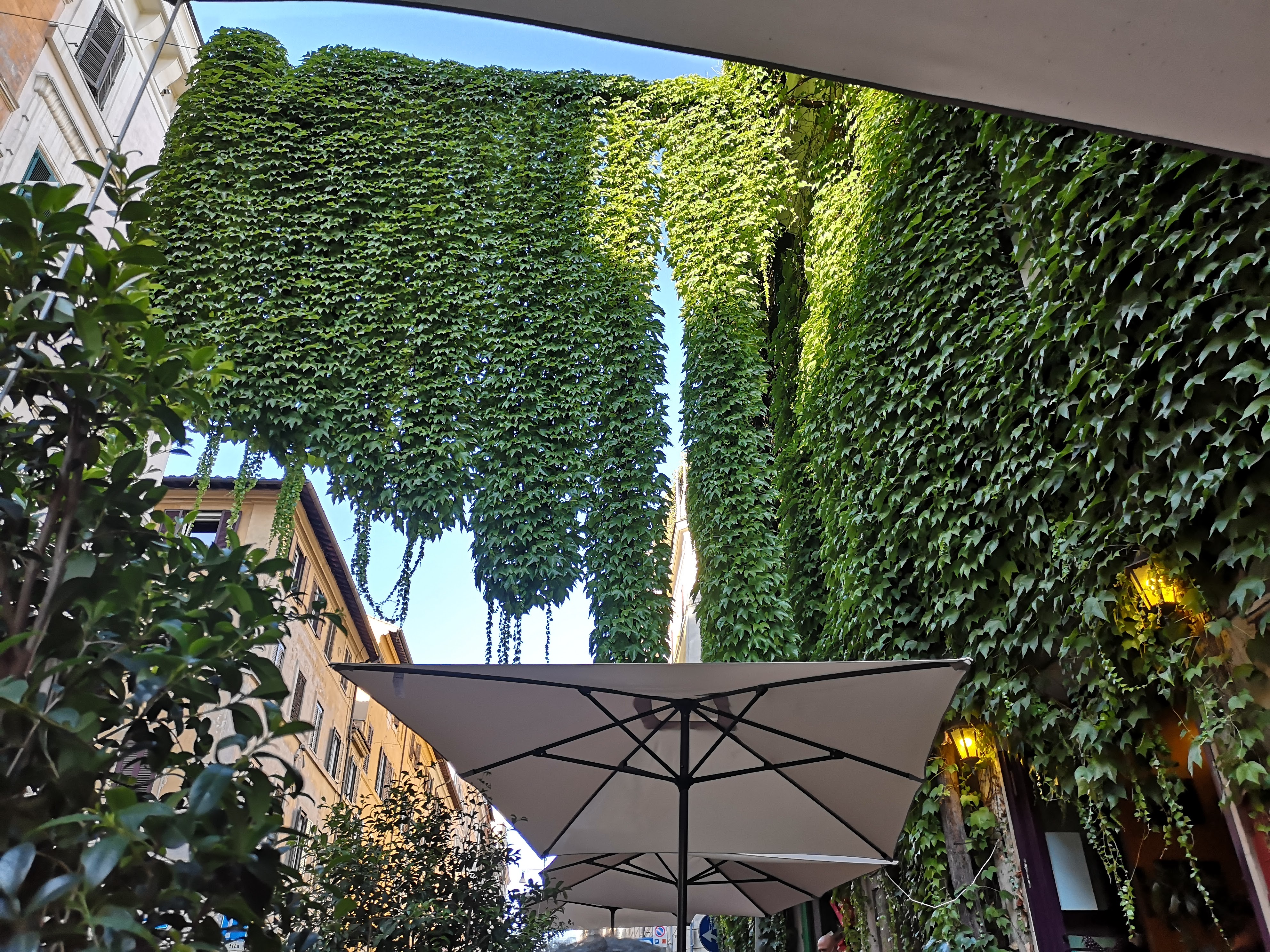
Bottiglieria ai Tre Scalini is a unique locale we stumbled upon while hanging around the area next to the Colosseum. It dates back to 800 (yes, you’ve read that right), and you can see many historical influences all over the winery. The wine was phenomenal, and the food was great, too. The fact that the locals come to hang out there gives it extra points.
Emma Pizzeria is a lovely restaurant that has superb pizza. Located close to where Julius Caesar died, it’s inconspicuous yet elegant. Even the simplest Margherita was delicious, the staff was welcoming, and we managed to find a spot in the evening despite the busyness.
Bonci Pizzarium is the place to go if you want to see how a great pizza meets ingenuity. Think of all the possible toppings you can imagine on a pizza – Bonci probably has more than that. It’s an innovative concept with untypical thick doughy pizzas they sell per kilos instead of slices. Try the one with potatoes, it shouldn’t work, but somehow it does.
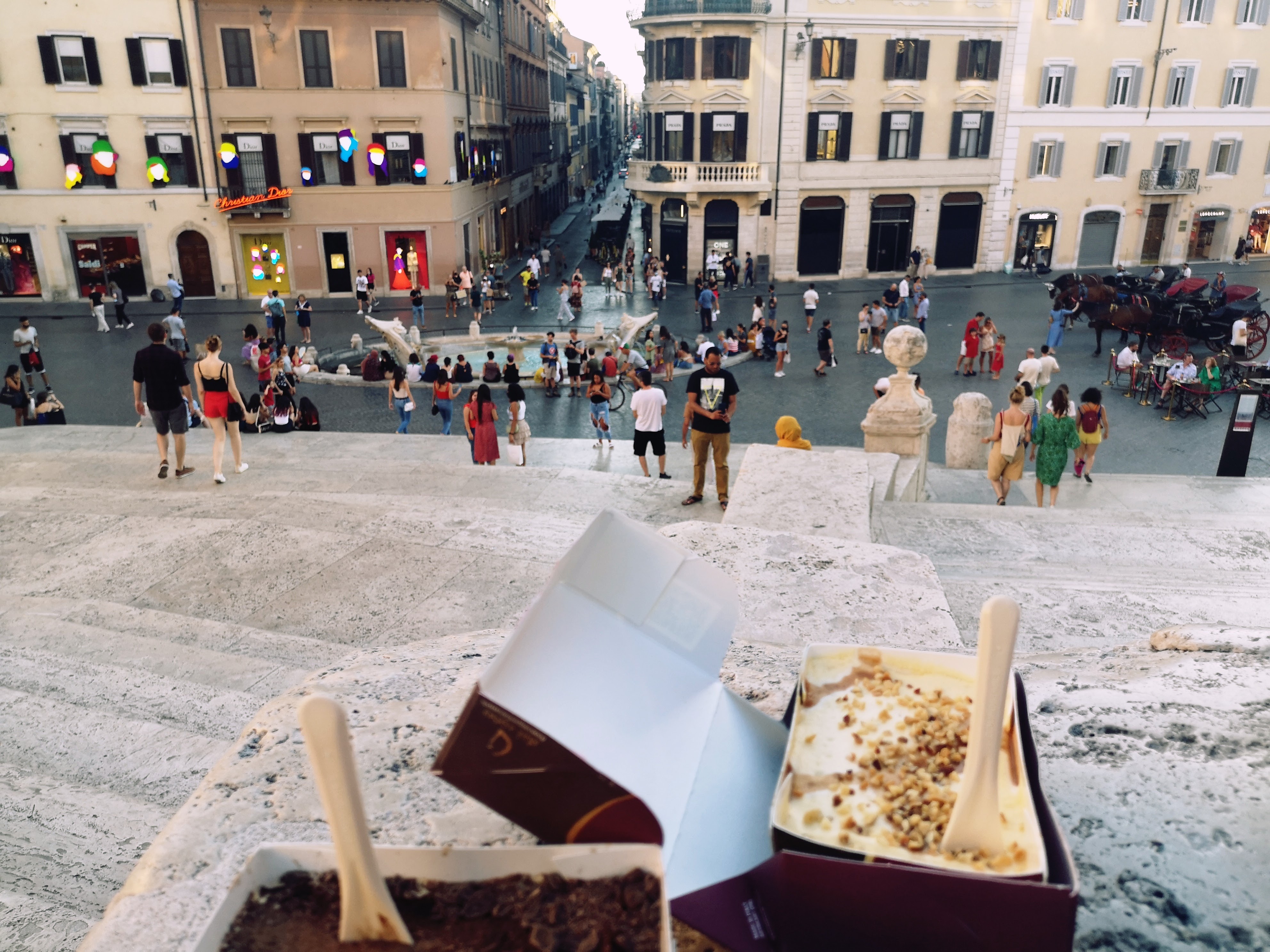
Pompi Tiramisu is a short walk from the Spanish steps. Upon entering, so many different types of tiramisu will welcome you. The hazelnut tiramisu still lingers in my memory – refreshing, sweet, and comforting; what more could you want from a dessert?
Are 3 days in Rome enough?
I’ve started writing this post thinking about the week I was fortunate to spend in Rome over the summer. In the beginning, our trip was supposed to last 4-5 days, and I’m so happy we had more time.
Rome isn’t a city to explore in a rush. Ticking off every landmark and running from one place to the next is a no-no.
Have a rough plan of what you’d like to see. Save all the pins to your Google Maps of where you want to go and what you want to eat. It’ll come in handy, but chances are, you won’t be able to do it all. And you shouldn’t.
Spending 3 days in Rome could be enough. Enough for a start, since this city will be calling your name to re-visit it.
Visiting Rome soon, and do you have questions on your mind? Got any tips for first-time Rome travellers? What is your favourite memory from your trip to the eternal city? Let me know in the comments below!
 Cultourist
Leave a comment